
Species profile
Castor bean tick
Ixodes ricinus
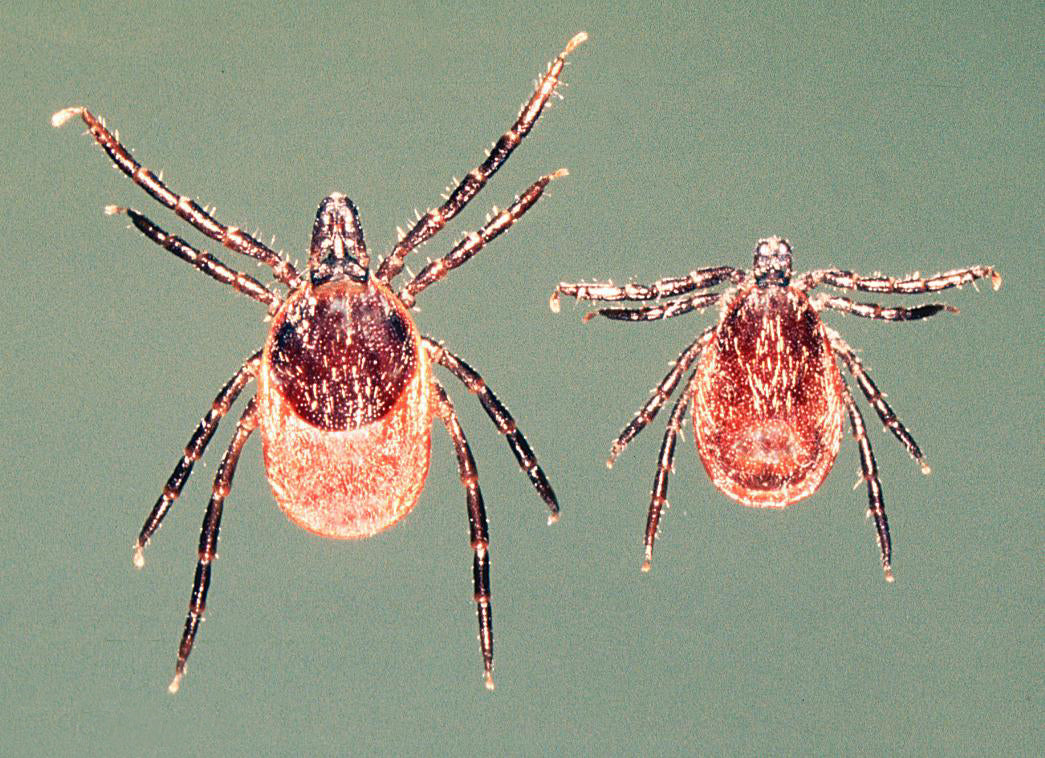
Image credit:Alan R Walker • Licensed under CC BY-SA 3.0 • Source: Wikimedia Commons Licence terms — Opens in a new window.Source — Opens in a new window.
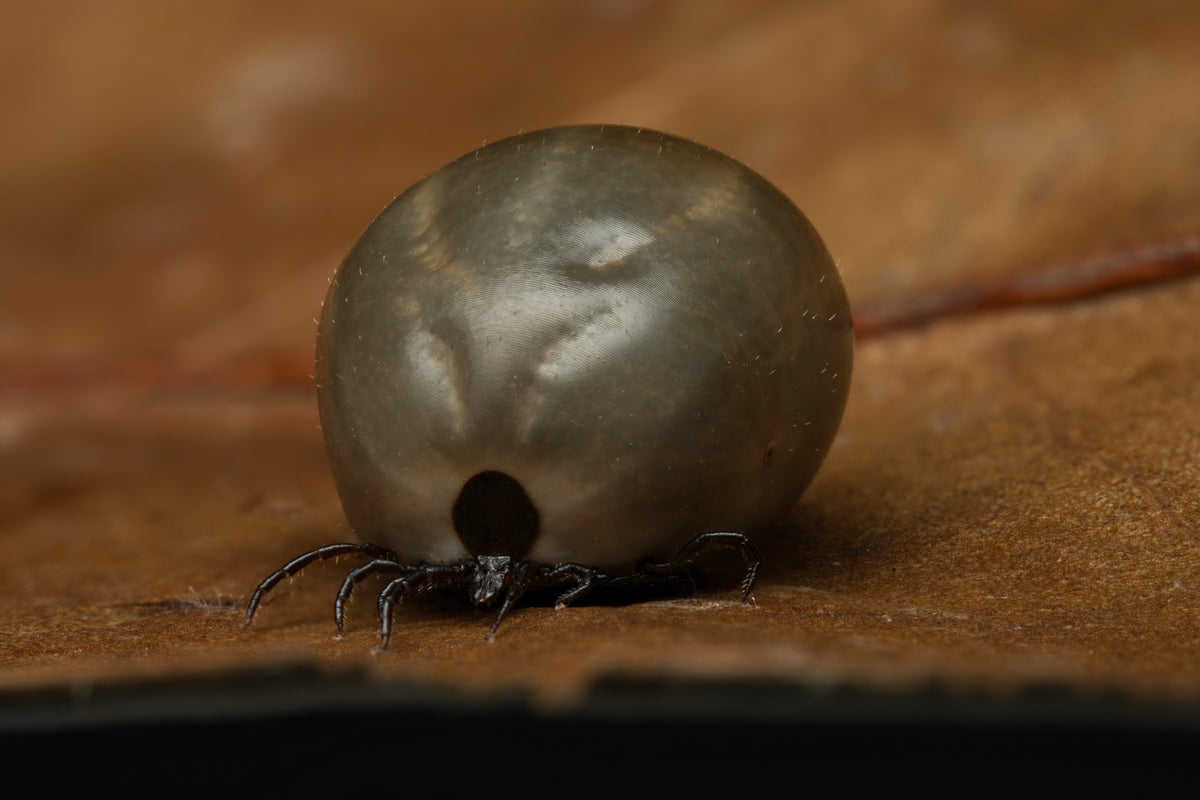
Image credit:MicrocosmicWorld / Wikimedia Commons Licence terms — Opens in a new window.Changes: Resized proportionally from 7166 × 4778 px to 5338 × 3559 px for Shopify compatibility; no crop or content alteration.Source — Opens in a new window.
Also known as: Sheep tick, Deer tick
Image gallery
Image credit:Alan R Walker • Licensed under CC BY-SA 3.0 • Source: Wikimedia Commons Licence terms — Opens in a new window.Source — Opens in a new window.
Image credit:MicrocosmicWorld / Wikimedia Commons Licence terms — Opens in a new window.Changes: Resized proportionally from 7166 × 4778 px to 5338 × 3559 px for Shopify compatibility; no crop or content alteration.Source — Opens in a new window.
Quick facts
Identification
Sex and appearance differences
Life cycle
Life stages
- Egg
- Larva
- Nymph
- Adult
Seasonal activity
Hosts
- Humans (Homo sapiens)
- Deer
- Cattle (Bos taurus)
- Small mammals
- Birds
- Reptiles
Habitats
- Woodland
- Grassland and rough pasture
- Parks and wildlife-accessible gardens
Distribution
Presence, established populations, habitat suitability and disease risk are distinct evidence categories.
Countries and regions
- United Kingdom — present
- Europe — present
- England — present
- Scotland — present
- Wales — present
- Northern Ireland — present
Medical and veterinary relevance
Pathogens and diseases
- Lyme borreliosis — disease
- Tick-borne encephalitis — disease
- Anaplasmosis and tick-borne fever — disease
- Babesiosis — disease
- Louping ill — disease
- Rickettsia helvetica (Rickettsia helvetica) — pathogen
Detection of a pathogen in a tick does not by itself establish that the species is a confirmed vector.
Vector and pathogen evidence
Medical importance
Veterinary importance
Prevention and removal guidance
Important identification and health information
Educational information and limitations
Photographs and visible features may be insufficient for definitive identification.
This educational information is not a diagnosis or a substitute for medical or veterinary advice.
This educational information does not replace examination or advice from a qualified veterinary professional.
Presence, established populations, habitat suitability and disease risk are distinct evidence categories.