Part 1 of 2 · Learning programme

VuxLore Tick Academy® · Foundation programme

Teaching Tick Awareness

Substantial, evidence-led learning followed by a separate mapped final assessment. This course supports informed action and does not diagnose illness or replace local professional advice.

  • Teachers, educators, home educators and youth leaders
  • 75–105 minutes · Eight required modules
  • 8 required modules

Your name stays private. We don't save or send it anywhere. It is used only on this open page and disappears when you refresh or close it.

You can use a first name or nickname, skip this step, or ask a grown-up to help.

Your learning journey

Welcome

Today you are going to learn the essential tick-awareness knowledge and practical habits covered in this programme. Work through each learning module and its short activities in order.

When you complete the learning programme, you can take the separate final assessment. Reach the required pass mark and you can create and print your VuxLore Tick Academy certificate.

Why tick awareness matters

Tick awareness can reduce avoidable bites and delay in correct removal, while helping learners recognise when adult or clinical advice is appropriate. Some ticks transmit infections, including Lyme disease, but not every tick is infected and most bites do not cause illness. Teaching must balance meaningful prevention with calm, evidence-based risk communication.

Programme outcomes

  • Recognise ticks and explain contact accurately
  • Plan layered prevention and systematic checks
  • Respond safely within clear professional boundaries
  • Evaluate information and apply learning to realistic scenarios

Learning completion: Work through every module and use both supportive learning checks. These checks are not scored and do not contribute to the final assessment result. The separate assessment unlocks after the learning programme is complete.

Module 1 of 8 · 8–12 minutes

Recognise ticks and understand scale
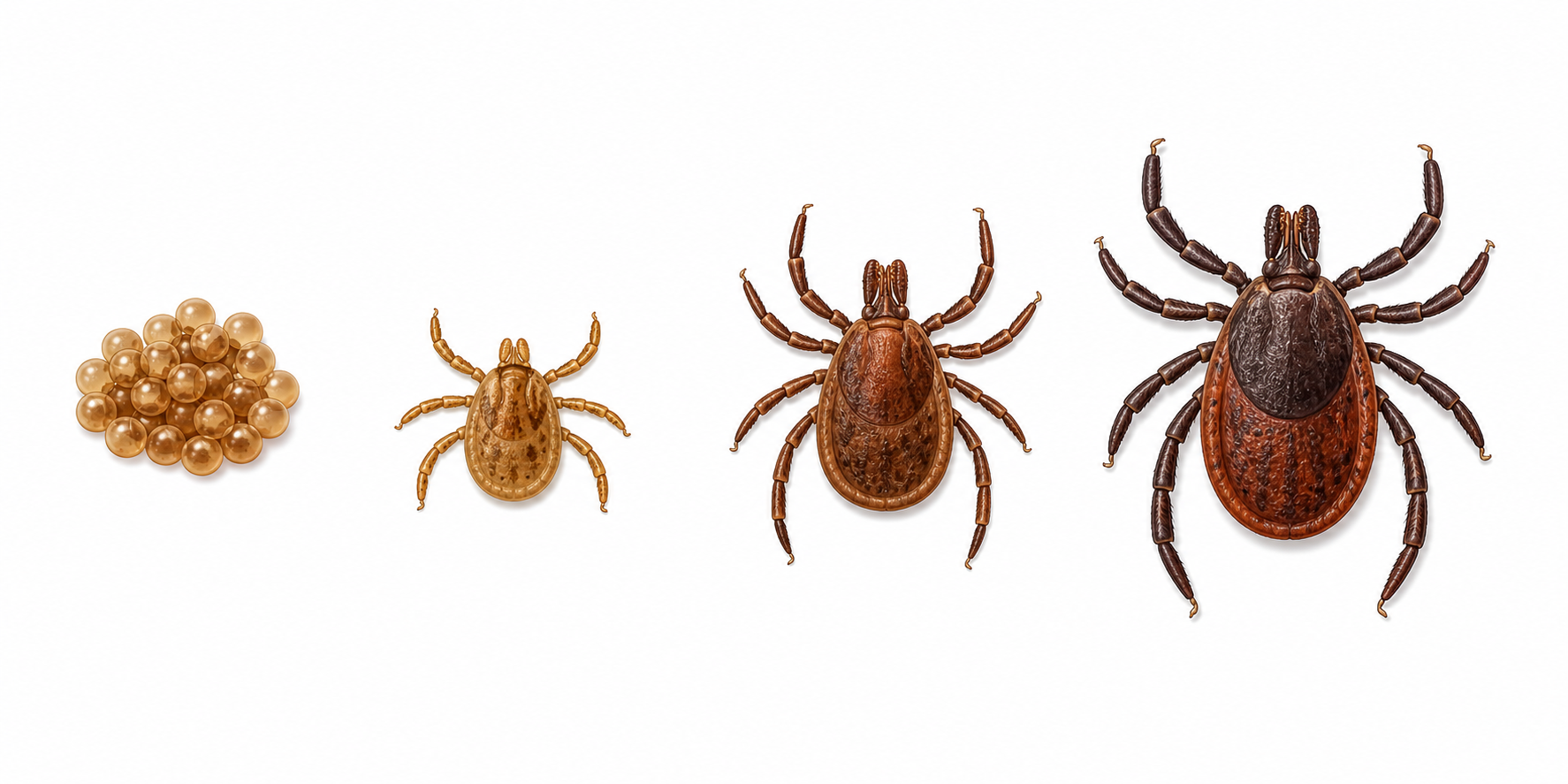
Governed educational illustration for Recognise ticks and understand scale
Enlarged lifecycle reference; stages are not shown at a common real-world scale.

Tick awareness can reduce avoidable bites and delay in correct removal, while helping learners recognise when adult or clinical advice is appropriate. Some ticks transmit infections, including Lyme disease, but not every tick is infected and most bites do not cause illness. Teaching must balance meaningful prevention with calm, evidence-based risk communication.

Ticks are arachnids, not insects. Larvae have six legs; nymphs and adults have eight. Species, stage, sex and feeding state change appearance. Ticks can be extremely small, and a photograph cannot show whether one carries infection.

Learning check 1 of 2 · Not scoredWhich active stage has six legs?
Learning check 2 of 2 · Not scoredWhat can appearance not establish?

Your achievement

Complete both activities to achieve module 1 of 8.