Species profile

Pacific Coast tick

Dermacentor occidentalis
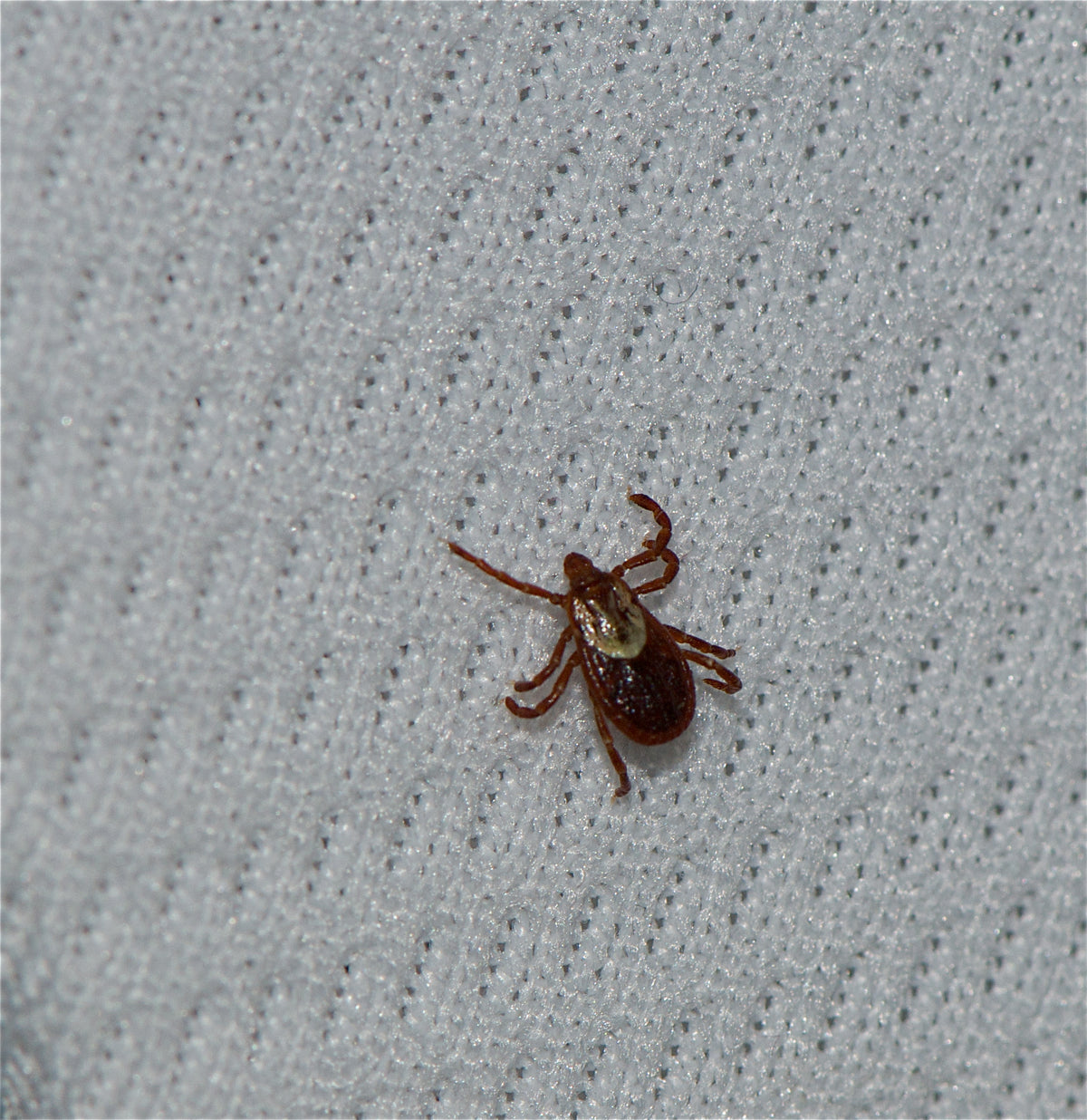
An ornate hard tick of Pacific coastal regions of the western United States and northwestern Mexico.

Macro photograph of an adult Dermacentor occidentalis Pacific Coast tick
Adult, macro view

Image credit:jkirkhart35 / Wikimedia Commons; originally Flickr Licence terms — Åpner i et nytt vindu.Source — Åpner i et nytt vindu.

Image gallery

Quick facts

Family: Ixodidae. Genus: Dermacentor. Hard tick.

Identification

Adults are ornate Dermacentor ticks with short mouthparts, eyes and festoons. Similar Dermacentor species require expert morphological separation.

Photographs and location alone may be insufficient for confirmation; use expert morphological examination when reliable species identification is required.

Photographs alone cannot always confirm this species. Geographic location and host are supporting context, not conclusive identification.

Sex and appearance differences

Females have a smaller anterior scutum and expandable posterior body; males have a scutum covering most of the dorsum.

Life cycle

Three-host hard-tick life cycle with egg, larva, nymph and adult stages.

Life stages

  • Egg
  • Larva
  • Nymph
  • Adult

Seasonal activity

Human cases cited by CDC have occurred in summer, but tick activity and encounter timing vary regionally.

Hosts

  • Humans (Homo sapiens)
  • Horses
  • Cattle (Bos taurus)
  • Deer
  • Rodents
  • Rabbits

Habitats

  • Pacific coastal scrub and woodland
  • Woodland edges and trails

Distribution

CDC describes occurrence in coastal ranges of Oregon and California and in Baja California and Sinaloa, Mexico.

Presence, established populations, habitat suitability and disease risk are distinct evidence categories.

Countries and regions

  • United States — established_regional

    CDC describes occurrence in coastal ranges of Oregon and California and in Baja California and Sinaloa, Mexico.

Medical and veterinary relevance

Bites humans and transmits Pacific Coast tick fever; reported human cases remain uncommon.

Adults feed on horses, cattle and black-tailed deer; immature ticks feed mainly on rodents and rabbits.

Pathogens and diseases

  • Pacific Coast tick fever — disease

Detection of a pathogen in a tick does not by itself establish that the species is a confirmed vector.

Vector and pathogen evidence

Confirmed vector of the agent of Pacific Coast tick fever. Historical associations with other agents require source-specific interpretation.

Medical importance

Veterinary importance

Prevention and removal guidance

Use current public-health and veterinary guidance, avoid known tick habitats where practical, use suitable repellents or protective clothing, and check people and animals after exposure.

Remove attached ticks promptly using fine-tipped tweezers or an appropriate tick-removal tool. Seek medical or veterinary advice when symptoms or concerns arise.

Important identification and health information

Educational information and limitations

Photographs and visible features may be insufficient for definitive identification.

This educational information is not a diagnosis or a substitute for medical or veterinary advice.

This educational information does not replace examination or advice from a qualified veterinary professional.

Presence, established populations, habitat suitability and disease risk are distinct evidence categories.