Profil de l'espèce

Brown ear tick

Rhipicephalus appendiculatus
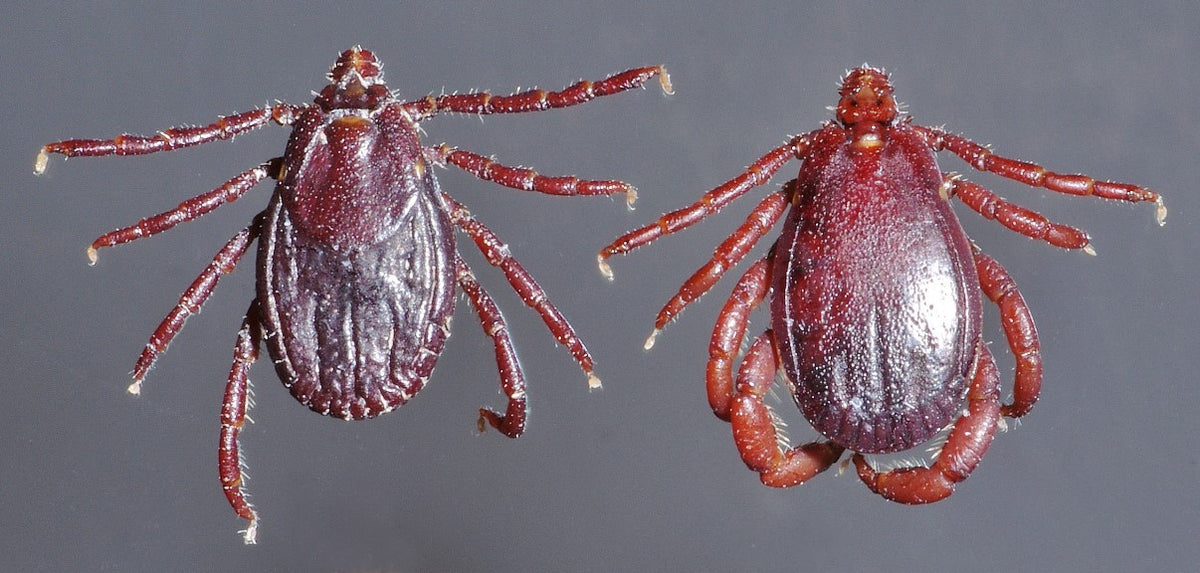
An African Rhipicephalus species of major veterinary interest. Disease associations remain withheld until linked to accepted authoritative evidence.

Adult female and male Rhipicephalus appendiculatus brown ear ticks, dorsal view
not_stated · Adult · not_stated

Crédit image:Daktaridudu / Wikimedia Commons Conditions de licence — S’ouvre dans une nouvelle fenêtre.Source — S’ouvre dans une nouvelle fenêtre.
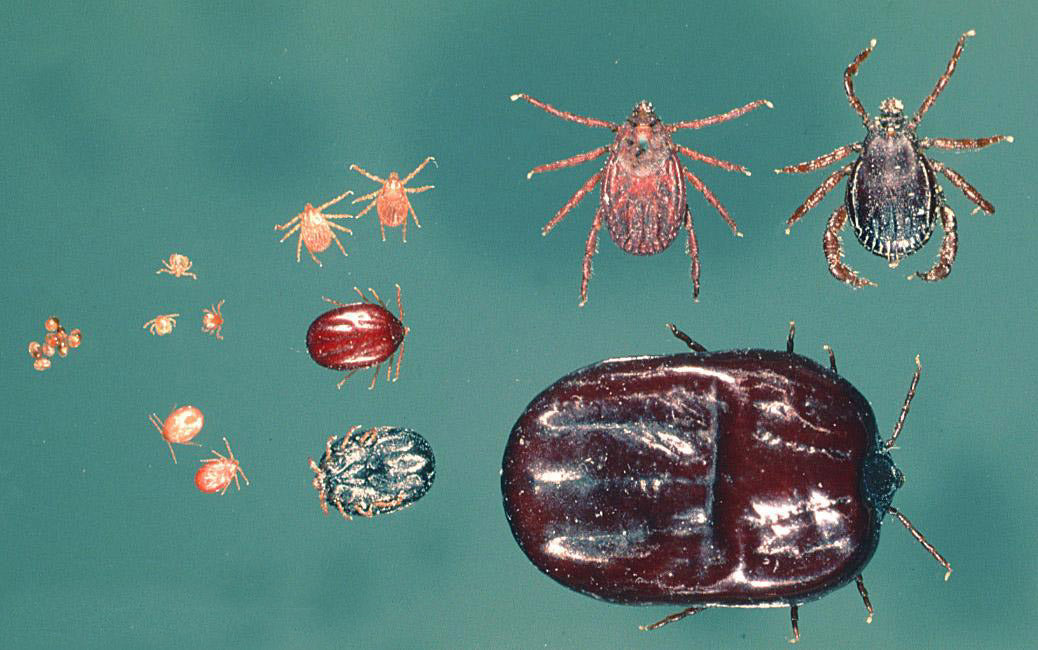
Rhipicephalus appendiculatus life cycle showing eggs, unfed and engorged larvae, unfed and engorged nymphs, adult female, adult male and engorged female
not_stated · not_stated

Crédit image:Alan R Walker / Wikimedia Commons Conditions de licence — S’ouvre dans une nouvelle fenêtre.Source — S’ouvre dans une nouvelle fenêtre.

Galerie d'images

Faits rapides

Family: Ixodidae. Genus: Rhipicephalus. Hard tick.

Identification

A hard tick in the genus Rhipicephalus. Species confirmation requires examination of diagnostic morphology; photographs, host and location alone may be insufficient.

Similar species can overlap in appearance. Confirm using authoritative keys and expert examination when identification affects health, veterinary care or surveillance.

Photographs alone cannot always confirm this species. Geographic location and host are supporting context, not conclusive identification.

Différences sexuelles et d'apparence

Adult females have a smaller scutum that permits expansion during feeding; adult males generally have a scutum covering most of the dorsum. Species-specific differences require expert review.

Cycle de vie

Hard-tick life cycle with egg, larva, nymph and adult stages. Host use and number of hosts vary by species.

Étapes de la vie

  • Egg
  • Larva
  • Nymph
  • Adult

Activité saisonnière

Seasonal activity is not generalised without accepted location-specific evidence.

Hôtes

  • Cattle (Bos taurus)

Répartition

Detailed distribution is shown only when supported by governed country or region occurrence records.

La présence, les populations établies, la qualité de l'habitat et le risque de maladie sont des catégories de preuves distinctes.

Pays et régions

  • Africa — present

    South African government animal-health guidance identifies Rhipicephalus appendiculatus as the brown ear tick.

Pertinence médicale et vétérinaire

An African Rhipicephalus species of major veterinary interest. Disease associations remain withheld until linked to accepted authoritative evidence.

Recorded host relevance includes cattle; significance varies by place and evidence.

Preuves vectorielles et pathogènes

Vector status is stated only where the cited source distinguishes confirmed transmission from detection, laboratory competence or possible association.

Importance médicale

Importance vétérinaire

Host and veterinary relevance are limited to the cited evidence and require local interpretation.

Conseils pour la prévention et l'élimination

Use current public-health and veterinary guidance, avoid known tick habitats where practical, use suitable repellents or protective clothing, and check people and animals after exposure.

Remove attached ticks promptly using fine-tipped tweezers or an appropriate tick-removal tool. Seek medical or veterinary advice when symptoms or concerns arise.

Informations importantes d'identification et de santé

Informations pédagogiques et limitations

Les photographies et les caractéristiques visibles peuvent ne pas suffire pour une identification définitive.

Ces informations pédagogiques ne constituent pas un diagnostic et ne remplacent en aucun cas un avis médical ou vétérinaire.

Ces informations pédagogiques ne remplacent en aucun cas un examen ou les conseils d'un professionnel vétérinaire qualifié.

La présence, les populations établies, la qualité de l'habitat et le risque de maladie sont des catégories de preuves distinctes.