
Species profile
Amblyomma rotundatum
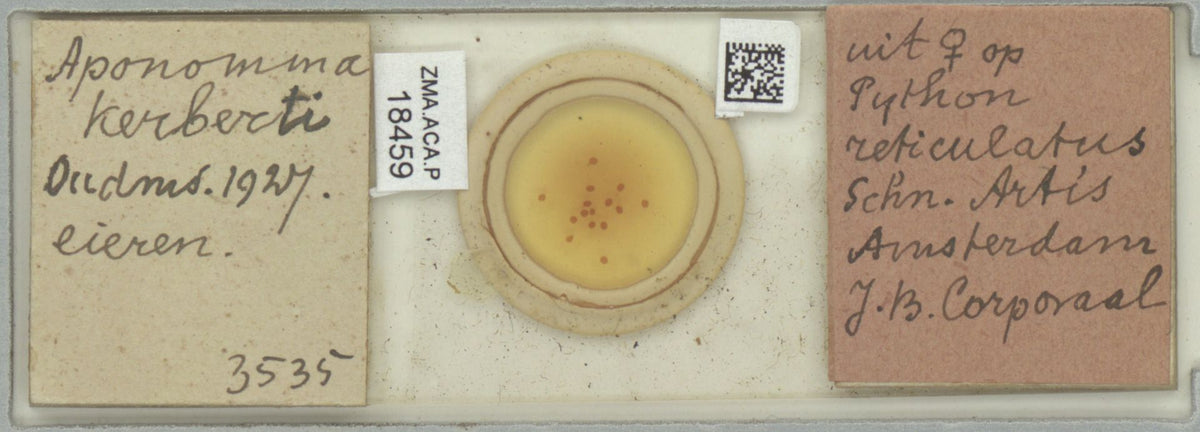
Image credit:J B Corporaal • Institutional collection via GBIF • ZMA.ACA.P.18459 • CC0 1.0 Universal Licence terms — Se abre en una ventana nueva.Source — Se abre en una ventana nueva.
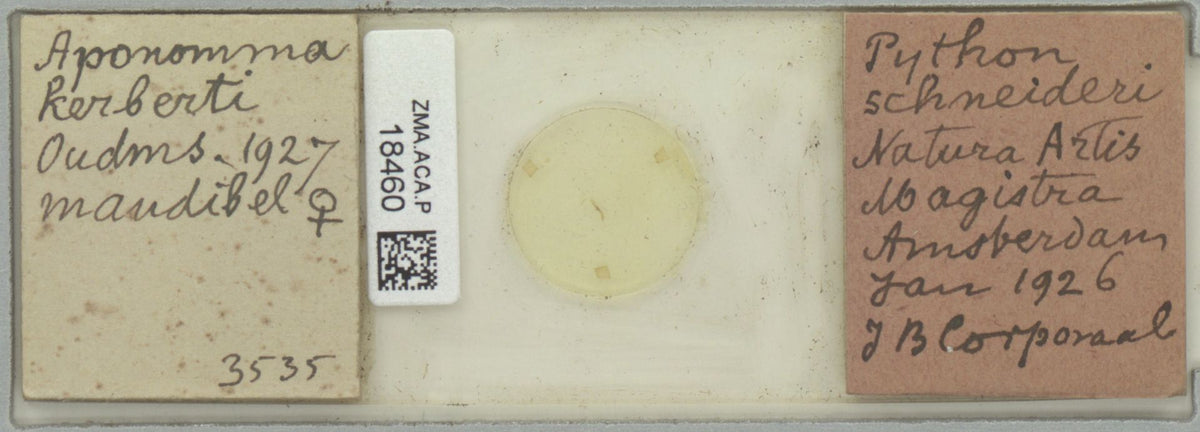
Image credit:J B Corporaal • Institutional collection via GBIF • ZMA.ACA.P.18460 • CC0 1.0 Universal Licence terms — Se abre en una ventana nueva.Source — Se abre en una ventana nueva.
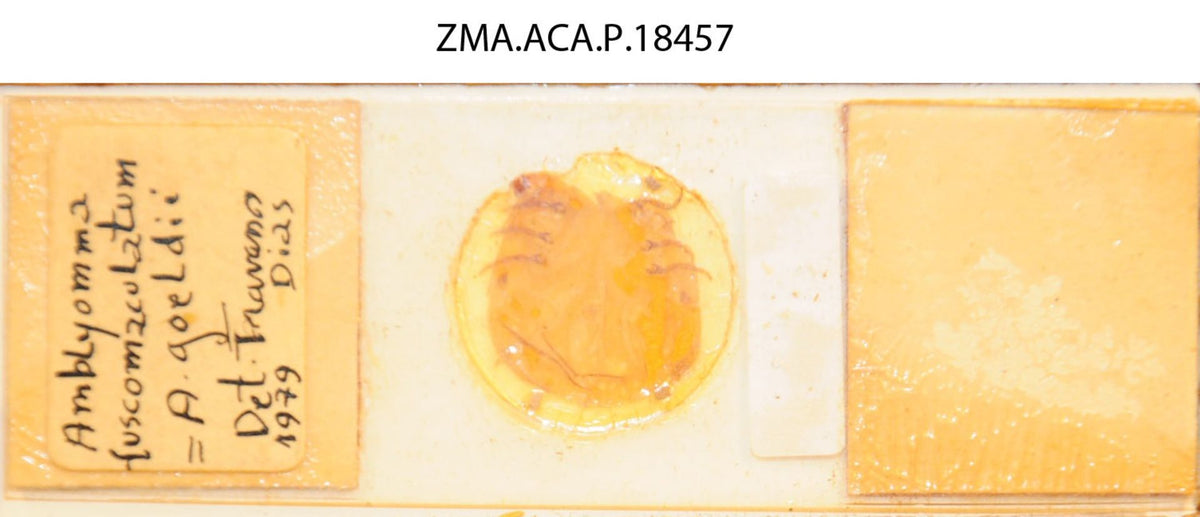
Image credit:J B Corporaal • Institutional collection via GBIF • ZMA.ACA.P.18457 • CC0 1.0 Universal Licence terms — Se abre en una ventana nueva.Source — Se abre en una ventana nueva.
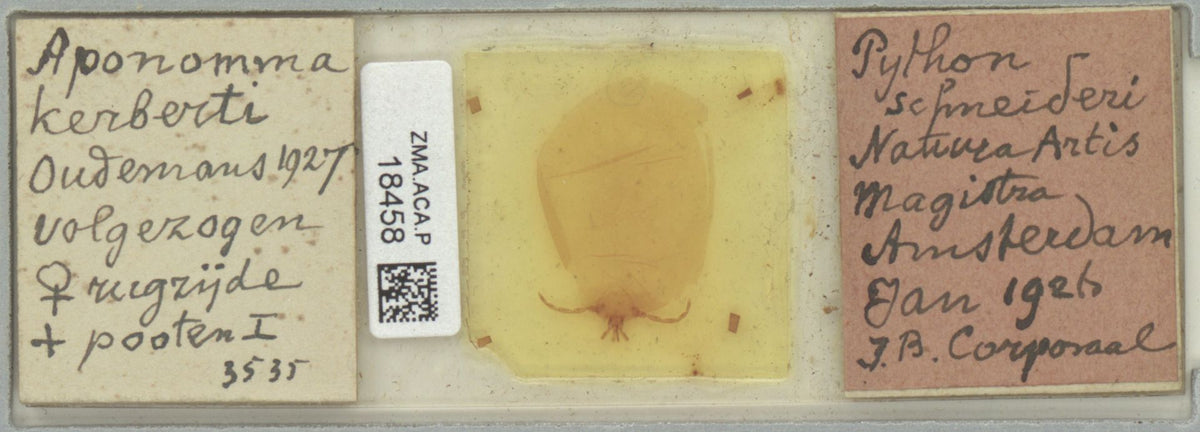
Image credit:J B Corporaal • Institutional collection via GBIF • ZMA.ACA.P.18458 • CC0 1.0 Universal Licence terms — Se abre en una ventana nueva.Source — Se abre en una ventana nueva.
Image gallery
Image credit:J B Corporaal • Institutional collection via GBIF • ZMA.ACA.P.18459 • CC0 1.0 Universal Licence terms — Se abre en una ventana nueva.Source — Se abre en una ventana nueva.
Image credit:J B Corporaal • Institutional collection via GBIF • ZMA.ACA.P.18460 • CC0 1.0 Universal Licence terms — Se abre en una ventana nueva.Source — Se abre en una ventana nueva.
Image credit:J B Corporaal • Institutional collection via GBIF • ZMA.ACA.P.18457 • CC0 1.0 Universal Licence terms — Se abre en una ventana nueva.Source — Se abre en una ventana nueva.
Image credit:J B Corporaal • Institutional collection via GBIF • ZMA.ACA.P.18458 • CC0 1.0 Universal Licence terms — Se abre en una ventana nueva.Source — Se abre en una ventana nueva.
Life cycle
Life stages
- Egg
- Larva
- Nymph
- Adult
Seasonal activity
Medical and veterinary relevance
Important identification and health information
Educational information and limitations
Photographs and visible features may be insufficient for definitive identification.
This educational information does not replace examination or advice from a qualified veterinary professional.