
Species profile
Amblyomma longirostre
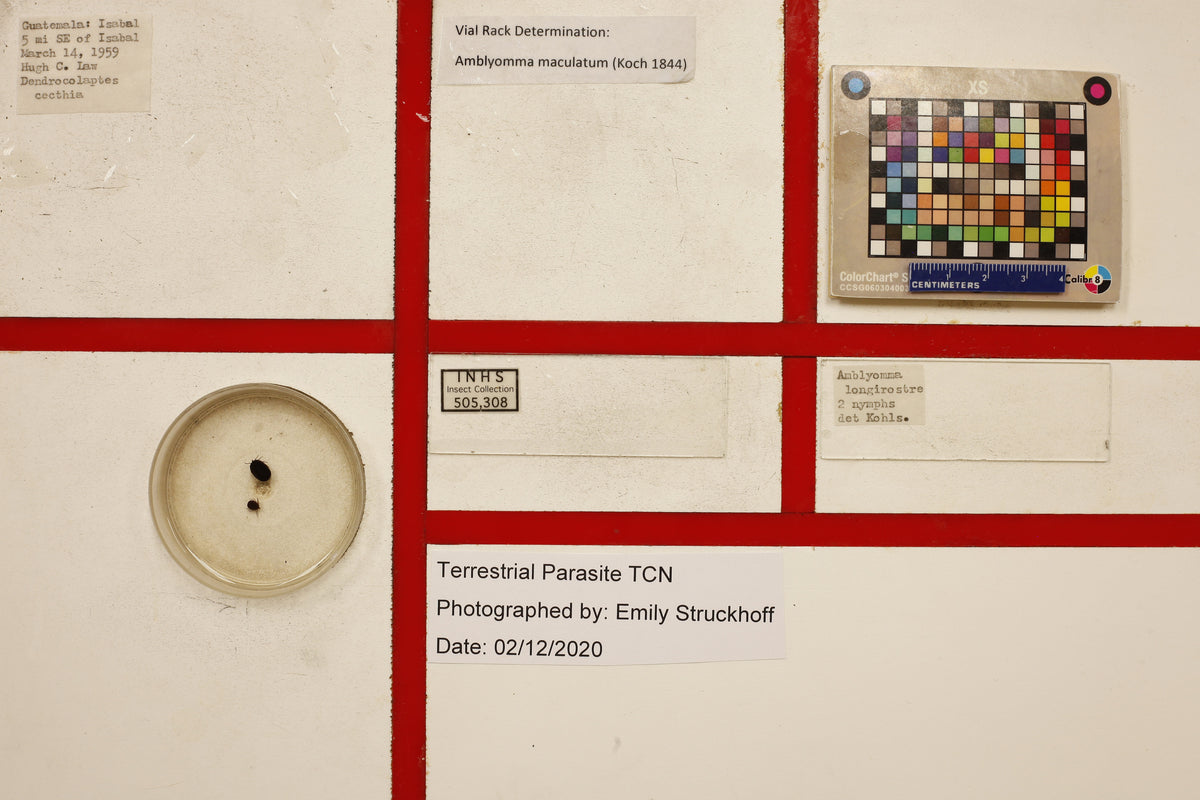
Image credit:Struckhoff, Emily • INHS • INHS Insect Collection 505308 • CC0 1.0 Universal Licence terms — Otwiera się w nowym oknie.Changes: Resized proportionally from 5616 × 3744 px to 5338 × 3559 px for Shopify compatibility; no crop or content alteration.Source — Otwiera się w nowym oknie.
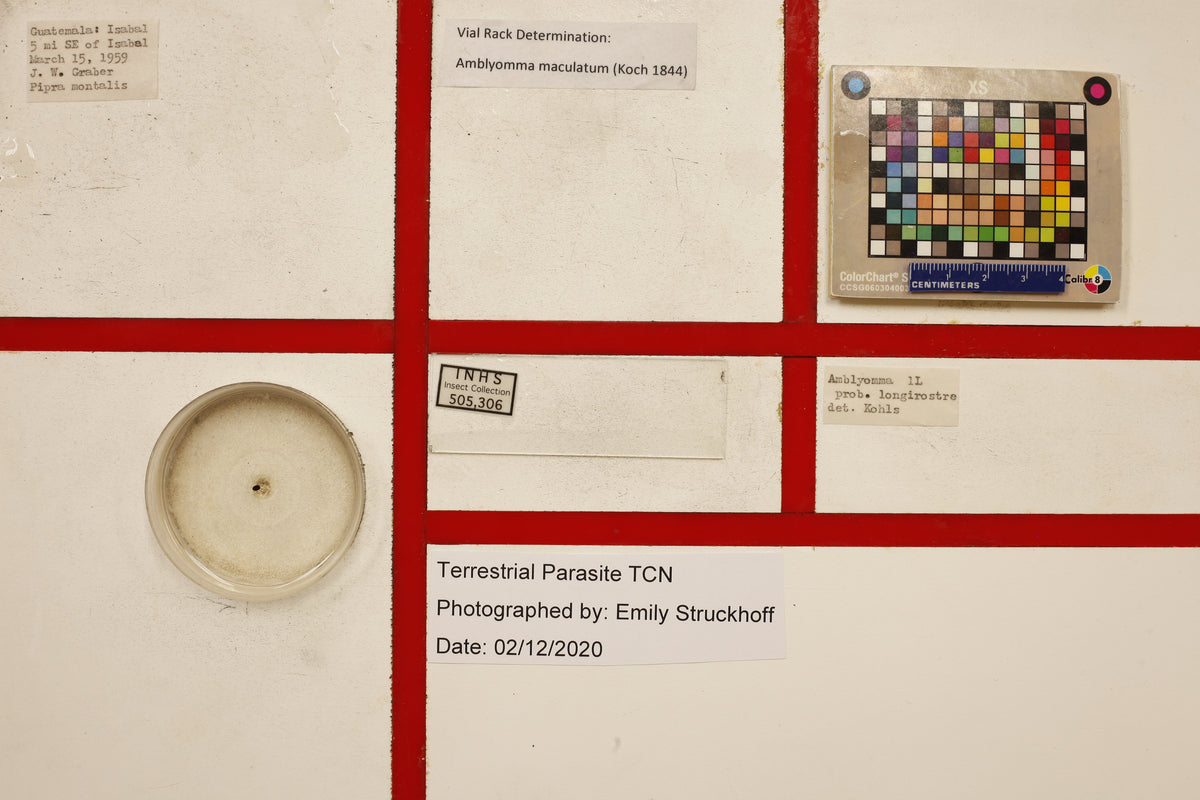
Image credit:Struckhoff, Emily • INHS • INHS Insect Collection 505306 • CC0 1.0 Universal Licence terms — Otwiera się w nowym oknie.Changes: Resized proportionally from 5616 × 3744 px to 5338 × 3559 px for Shopify compatibility; no crop or content alteration.Source — Otwiera się w nowym oknie.
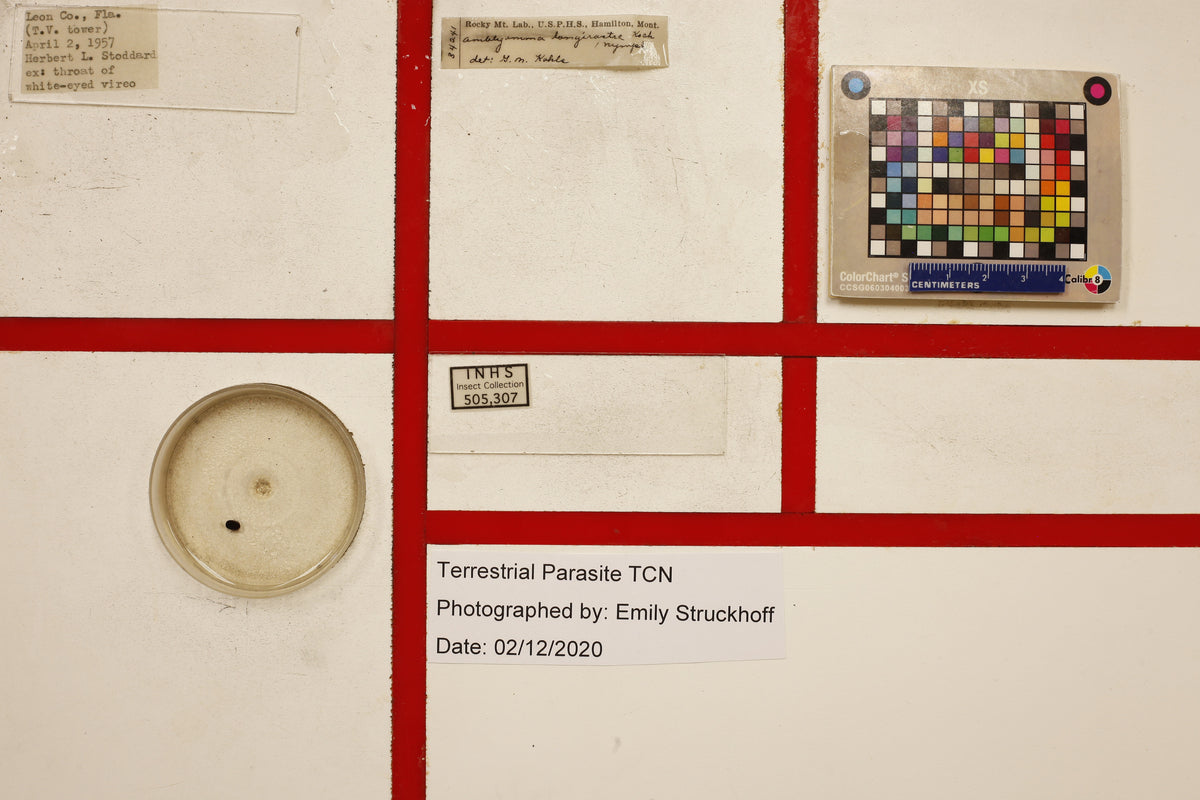
Image credit:Struckhoff, Emily • INHS • INHS Insect Collection 505307 • CC0 1.0 Universal Licence terms — Otwiera się w nowym oknie.Changes: Resized proportionally from 5616 × 3744 px to 5338 × 3559 px for Shopify compatibility; no crop or content alteration.Source — Otwiera się w nowym oknie.
Image gallery
Image credit:Struckhoff, Emily • INHS • INHS Insect Collection 505308 • CC0 1.0 Universal Licence terms — Otwiera się w nowym oknie.Changes: Resized proportionally from 5616 × 3744 px to 5338 × 3559 px for Shopify compatibility; no crop or content alteration.Source — Otwiera się w nowym oknie.
Image credit:Struckhoff, Emily • INHS • INHS Insect Collection 505306 • CC0 1.0 Universal Licence terms — Otwiera się w nowym oknie.Changes: Resized proportionally from 5616 × 3744 px to 5338 × 3559 px for Shopify compatibility; no crop or content alteration.Source — Otwiera się w nowym oknie.
Image credit:Struckhoff, Emily • INHS • INHS Insect Collection 505307 • CC0 1.0 Universal Licence terms — Otwiera się w nowym oknie.Changes: Resized proportionally from 5616 × 3744 px to 5338 × 3559 px for Shopify compatibility; no crop or content alteration.Source — Otwiera się w nowym oknie.
Life stages
- Egg
- Larva
- Nymph
- Adult
Distribution
Presence, established populations, habitat suitability and disease risk are distinct evidence categories.
Medical and veterinary relevance
Important identification and health information
Educational information and limitations
Photographs and visible features may be insufficient for definitive identification.
This educational information is not a diagnosis or a substitute for medical or veterinary advice.
This educational information does not replace examination or advice from a qualified veterinary professional.
Presence, established populations, habitat suitability and disease risk are distinct evidence categories.