
Species profile
Tropical bont tick
Amblyomma variegatum
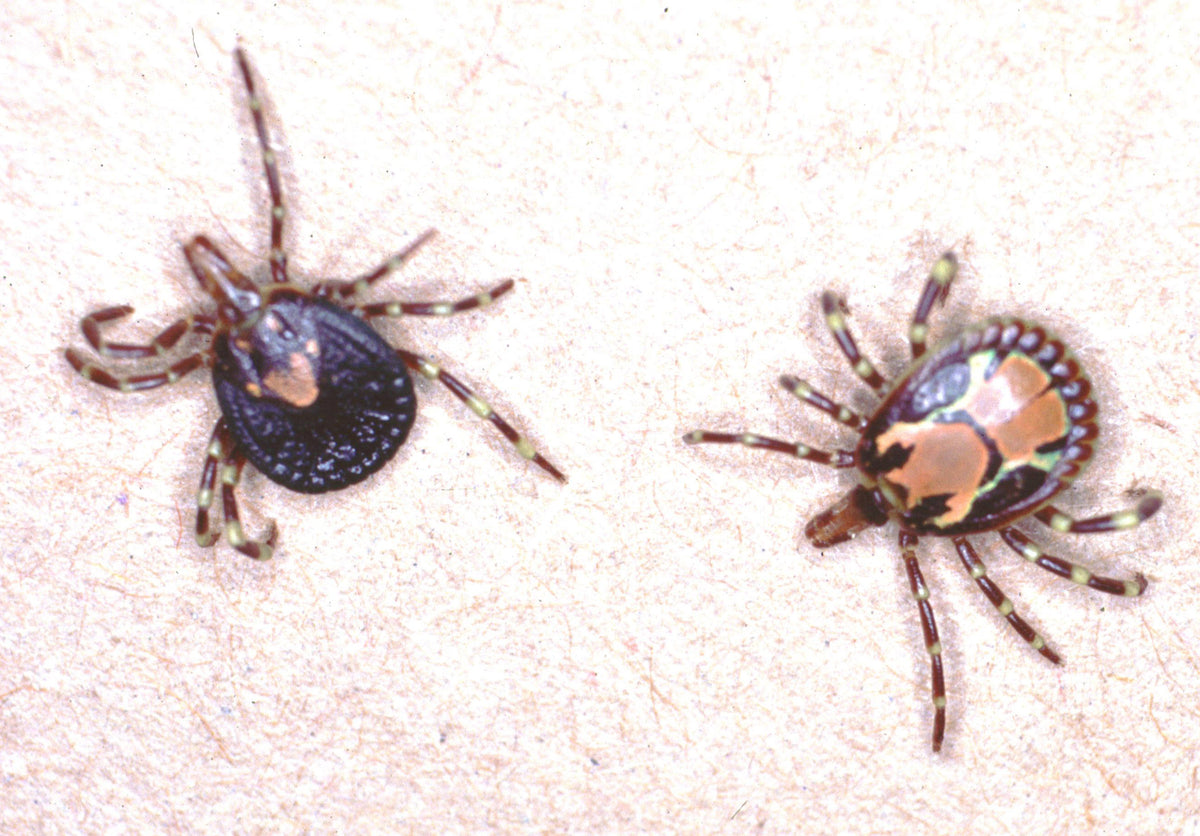
Image credit:Alan R Walker / Wikimedia Commons Licence terms — Wordt geopend in een nieuw venster.Source — Wordt geopend in een nieuw venster.
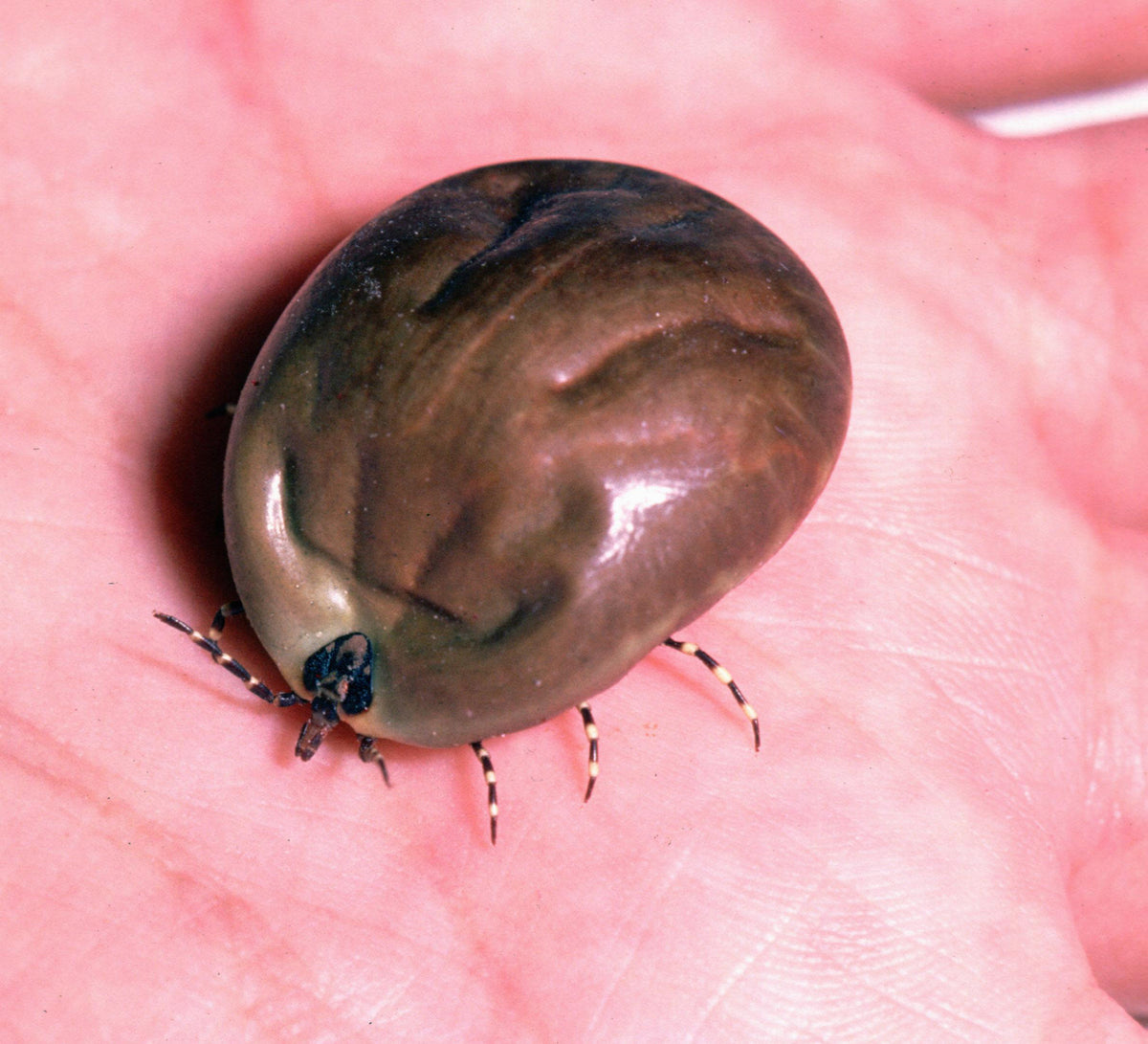
Image credit:Alan R Walker / Wikimedia Commons Licence terms — Wordt geopend in een nieuw venster.Source — Wordt geopend in een nieuw venster.
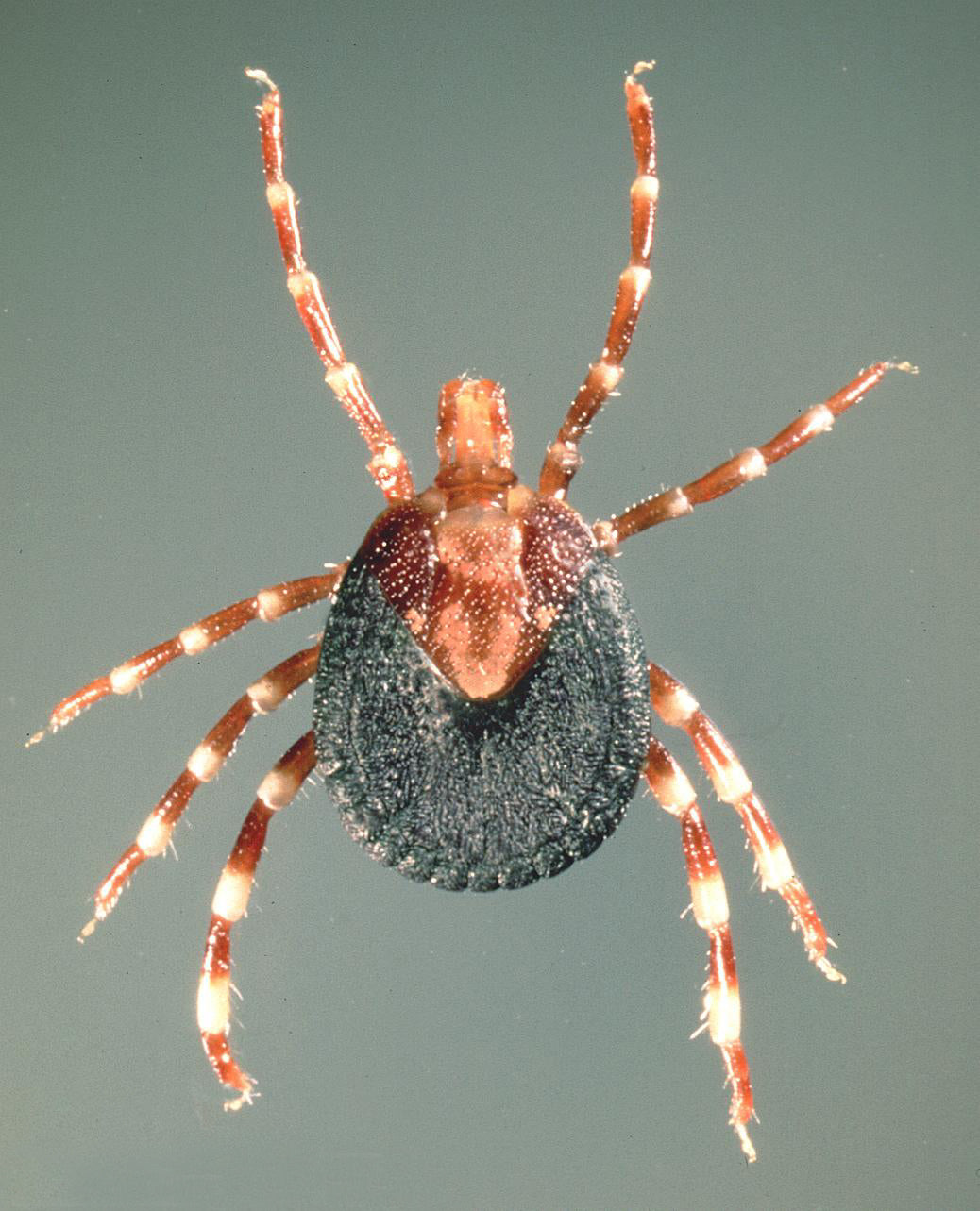
Image credit:Alan R Walker / Wikimedia Commons Licence terms — Wordt geopend in een nieuw venster.Source — Wordt geopend in een nieuw venster.
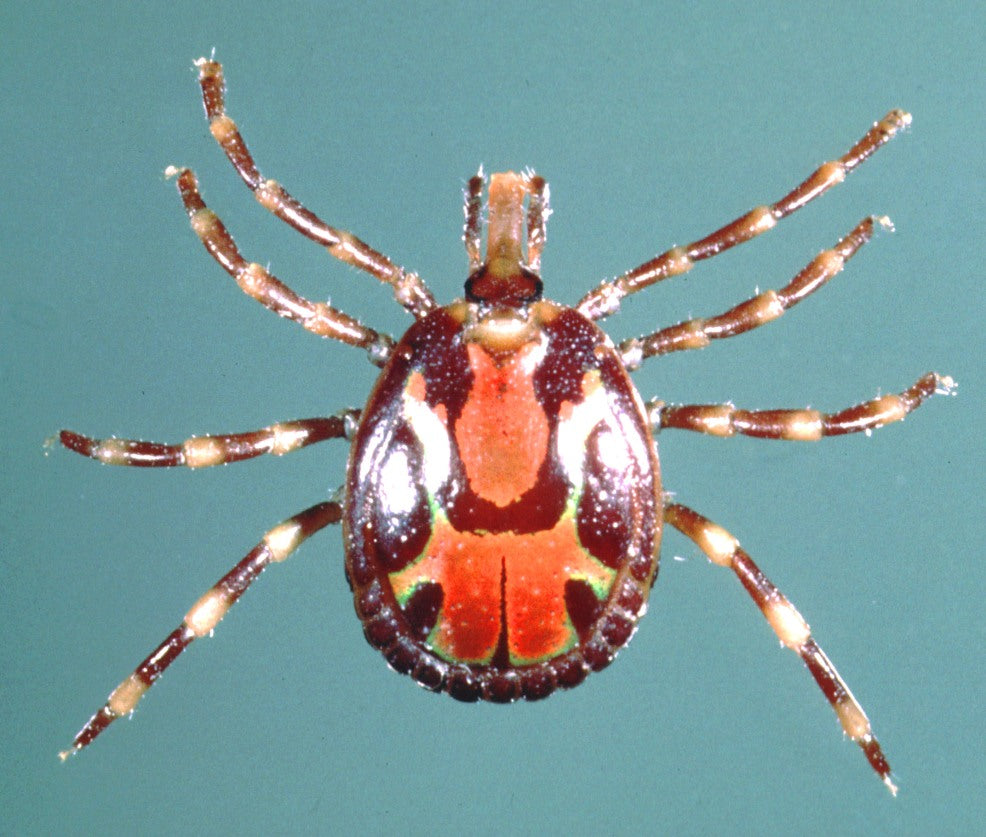
Image credit:Alan R Walker / Wikimedia Commons Licence terms — Wordt geopend in een nieuw venster.Source — Wordt geopend in een nieuw venster.
Image gallery
Image credit:Alan R Walker / Wikimedia Commons Licence terms — Wordt geopend in een nieuw venster.Source — Wordt geopend in een nieuw venster.
Image credit:Alan R Walker / Wikimedia Commons Licence terms — Wordt geopend in een nieuw venster.Source — Wordt geopend in een nieuw venster.
Image credit:Alan R Walker / Wikimedia Commons Licence terms — Wordt geopend in een nieuw venster.Source — Wordt geopend in een nieuw venster.
Image credit:Alan R Walker / Wikimedia Commons Licence terms — Wordt geopend in een nieuw venster.Source — Wordt geopend in een nieuw venster.
Quick facts
Identification
Sex and appearance differences
Life cycle
Life stages
- Egg
- Larva
- Nymph
- Adult
Seasonal activity
Distribution
Presence, established populations, habitat suitability and disease risk are distinct evidence categories.
Countries and regions
- Africa — present
Medical and veterinary relevance
Vector and pathogen evidence
Medical importance
Veterinary importance
Prevention and removal guidance
Important identification and health information
Educational information and limitations
Photographs and visible features may be insufficient for definitive identification.
This educational information is not a diagnosis or a substitute for medical or veterinary advice.
This educational information does not replace examination or advice from a qualified veterinary professional.
Presence, established populations, habitat suitability and disease risk are distinct evidence categories.