
VuxLore news
The Ultimate Guide to Ticks: Identification, Protection and Safe Removal
A practical, evidence-led guide to recognising ticks, reducing exposure, removing an attached tick promptly and knowing when to seek advice.
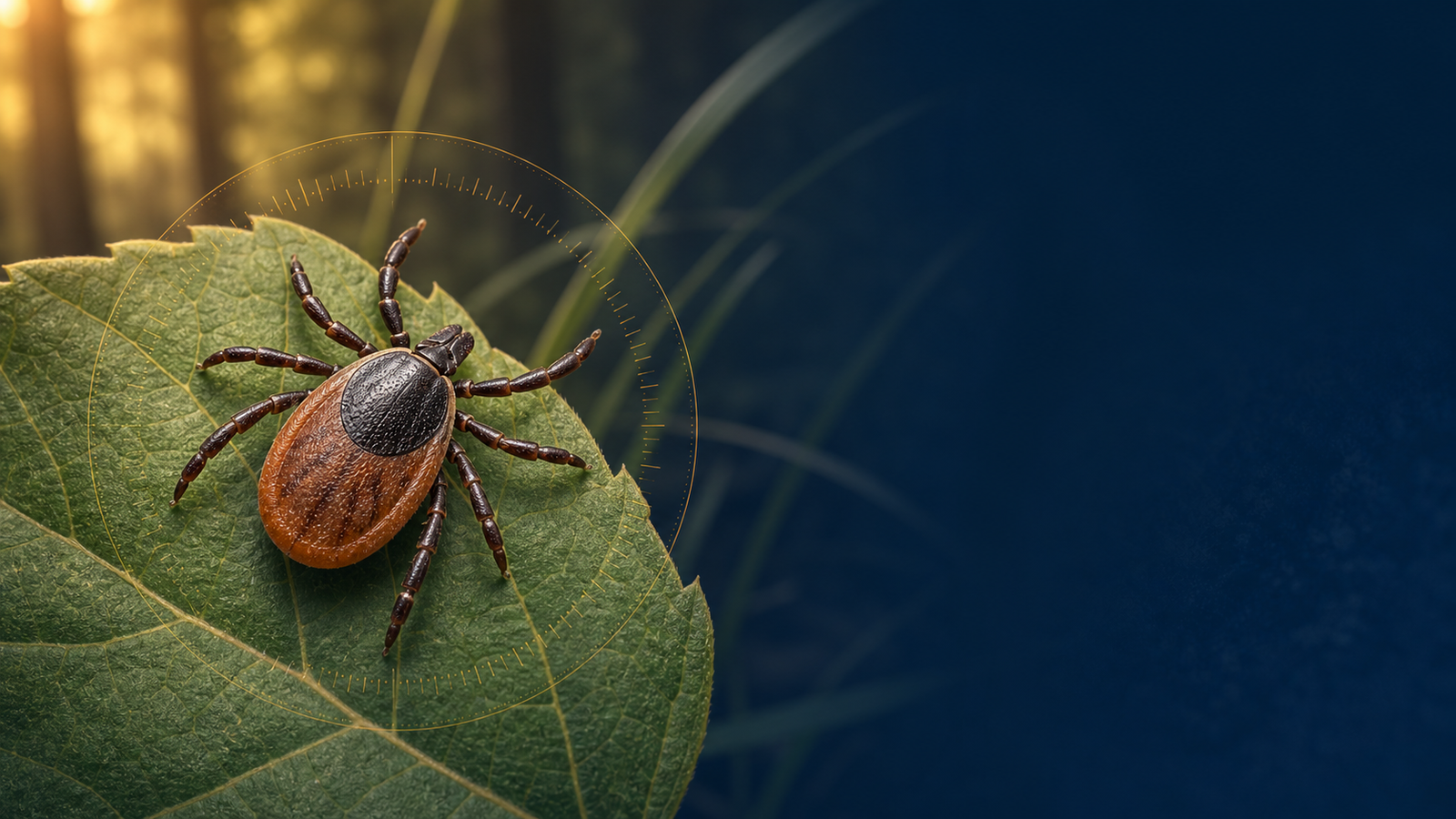
Ticks are small arachnids, related to spiders and mites rather than insects. They can be encountered in woodland, long grass, scrub, parks, gardens and other places used by wildlife. Most tick bites do not lead to illness, but checking promptly and knowing what to do can make outdoor time feel much more manageable.
This guide brings together identification, prevention and next steps. It is general information, not a diagnosis or a substitute for medical or veterinary advice.
How to recognise a tick
After the larval stage, ticks have eight legs. Their size and appearance can vary considerably by species, life stage and whether they have fed. Nymphs can be very small and easy to overlook; an attached tick may become larger and paler as it feeds.
Use the VuxLore Tick ID Centre to explore species profiles, and start with the eight-legged tick explainer for a simple overview of tick anatomy and life stages.
Where ticks may be found
Tick exposure is not limited to remote countryside. Depending on the region, ticks may be encountered in woodland, grassland, moorland, parks, gardens and along dog-walking routes. Activity can occur throughout the year, so a routine tick check after outdoor time is useful beyond the summer months.
Find location-specific guidance through the Global Tick Hub, or read more about common tick habitats and exposure areas.
Practical prevention before heading outdoors
- Keep to clear paths where practical and avoid brushing through dense vegetation.
- Wear clothing that covers more skin; light colours can make crawling ticks easier to spot.
- Use an appropriate repellent according to its label and local health guidance.
- Check clothing, equipment, children and pets during and after outdoor activity.
For a simple post-activity routine, see how to check for ticks after outdoor activity.
How to remove an attached tick
Remove an attached tick as soon as possible. NHS and UKHSA guidance recommends a tick-removal tool or fine-tipped tweezers: grip close to the skin, avoid squeezing the body, and pull steadily upward. Follow the instructions supplied with the tool you choose, then clean the bite area and your hands.
Do not use heat, petroleum jelly, nail varnish or other substances to try to make a tick detach. If you need a practical tool comparison, explore the VuxLore Tick Remover Comparison Charts, or read our safe-removal guide.
What to do afterwards
Make a note of when and where the likely exposure happened, then check for any other ticks. A small local reaction can occur after a bite, but seek medical advice if you develop a spreading rash, fever, flu-like symptoms or feel unwell. Tell the clinician about the bite and likely exposure location.
In the UK, you can also submit a tick to the UKHSA Tick Surveillance Scheme for identification and surveillance. The scheme does not routinely test ticks for pathogens, so decisions about care should be based on symptoms and professional advice.