Species profile

Herms soft tick

Ornithodoros hermsi
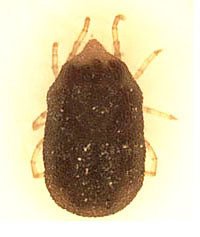
A nocturnal, rapidly feeding soft tick associated with rodent nests and rustic cabins in mountainous western North America.

CDC photograph of an Ornithodoros hermsi soft tick specimen
not_stated · Adult · not_stated

Image credit:Centers for Disease Control and Prevention; public domain Licence terms — Åbnes i et nyt vindue.Source — Åbnes i et nyt vindue.
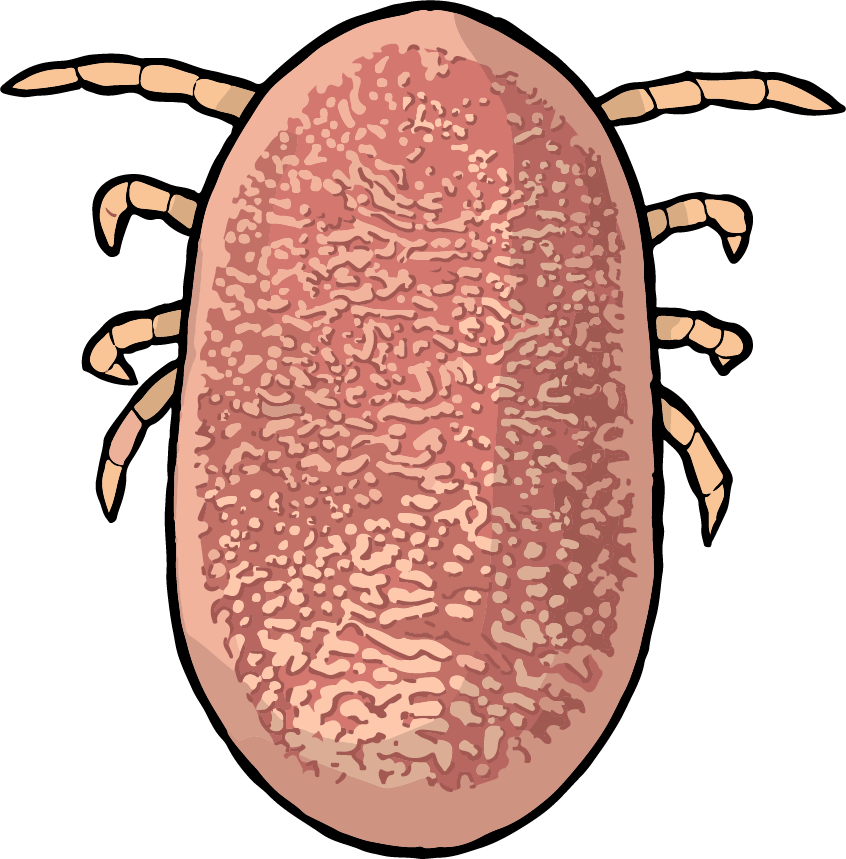
Simplified NIAID educational illustration of a fed Ornithodoros hermsi soft tick; not a diagnostic photograph
not_stated · Adult · engorged

Image credit:NIAID / NIH BioArt; public domain Licence terms — Åbnes i et nyt vindue.Source — Åbnes i et nyt vindue.
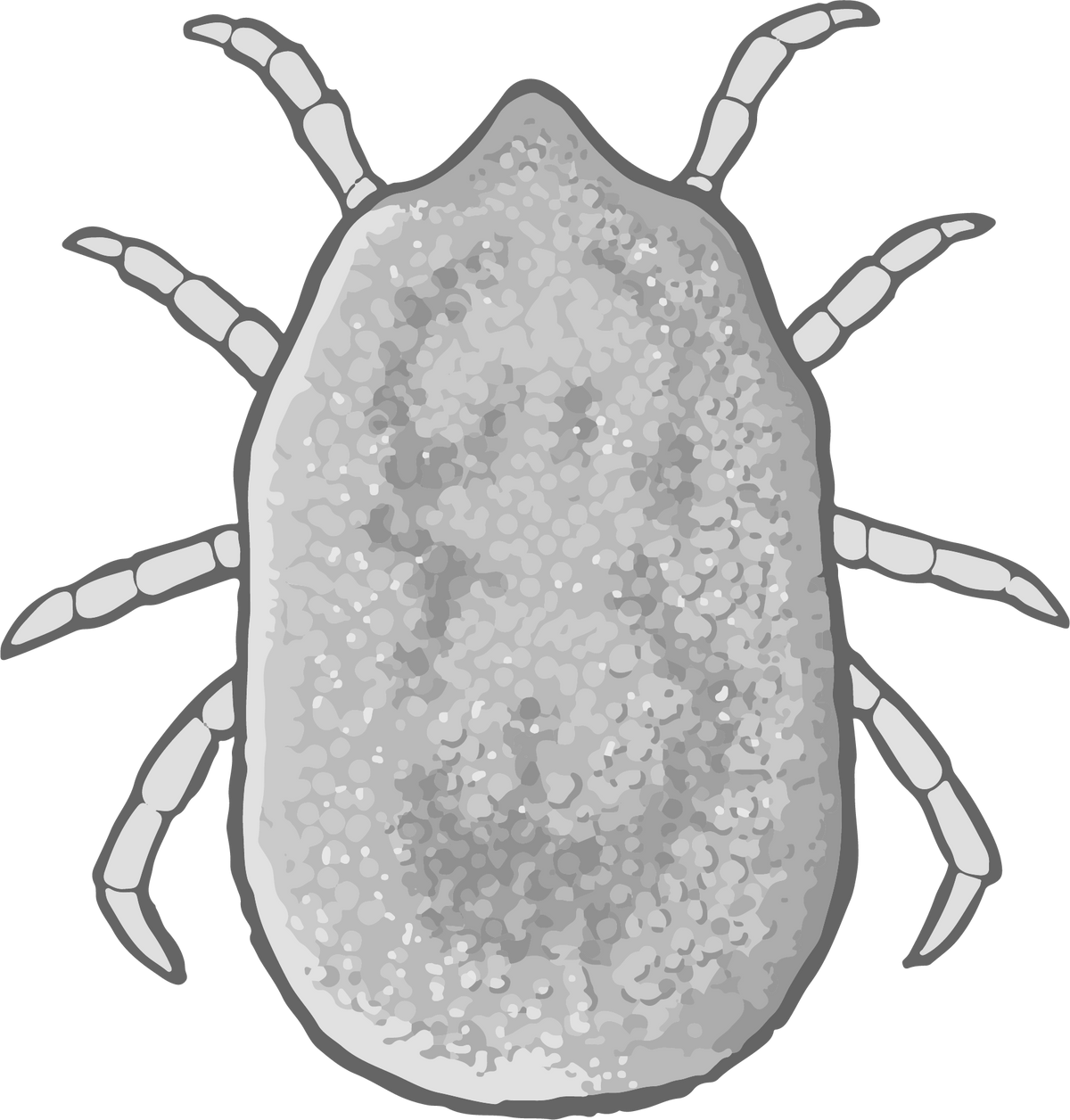
Simplified NIAID educational illustration of an unfed Ornithodoros hermsi soft tick; not a diagnostic photograph
not_stated · Adult · unfed

Image credit:NIAID / NIH BioArt; public domain Licence terms — Åbnes i et nyt vindue.Source — Åbnes i et nyt vindue.

Also known as: Relapsing fever tick

Image gallery

Quick facts

Family: Argasidae. Genus: Ornithodoros. Soft tick.

Identification

Soft-bodied tick without a dorsal scutum. Mouthparts are not visible from above. Nymphs and adults feed briefly, often without the person noticing.

Photographs and location alone may be insufficient for confirmation; use expert morphological examination when reliable species identification is required.

Photographs alone cannot always confirm this species. Geographic location and host are supporting context, not conclusive identification.

Sex and appearance differences

Soft ticks show less obvious sexual dimorphism than hard ticks. Multiple nymphal instars may occur.

Life cycle

Multihost soft-tick life cycle with a larval stage and multiple possible nymphal instars before adulthood. Feeding is brief at nymphal and adult stages.

Life stages

  • Egg
  • Larva
  • Nymph
  • Adult

Seasonal activity

Exposure can occur when people sleep in infested buildings; the ticks and infected colonies can persist for long periods.

Hosts

  • Humans (Homo sapiens)
  • Rodents

Habitats

  • Rodent nests and rustic cabins

Distribution

Associated with mountainous areas of western U.S. states at moderate to high elevations, especially rodent-infested rustic cabins.

Presence, established populations, habitat suitability and disease risk are distinct evidence categories.

Countries and regions

  • United States — established_regional

    Associated with mountainous areas of western U.S. states at moderate to high elevations, especially rodent-infested rustic cabins.

  • Oregon — present

    Oregon Health Authority records Ornithodoros hermsi in high-elevation areas east of the Cascades.

  • Washington — present

    Washington Department of Health records the soft tick Ornithodoros hermsi in elevated forested areas of Washington.

Medical and veterinary relevance

Bites are brief and often painless or unnoticed. The species is a confirmed vector of soft tick relapsing fever.

Primarily associated with rodents; direct veterinary importance is secondary to its zoonotic role.

Pathogens and diseases

  • Soft tick relapsing fever — disease

Detection of a pathogen in a tick does not by itself establish that the species is a confirmed vector.

Vector and pathogen evidence

Confirmed vector of Borrelia hermsii, a cause of soft tick relapsing fever in the United States.

Medical importance

Veterinary importance

Prevention and removal guidance

Use current public-health and veterinary guidance, avoid known tick habitats where practical, use suitable repellents or protective clothing, and check people and animals after exposure.

Remove attached ticks promptly using fine-tipped tweezers or an appropriate tick-removal tool. Seek medical or veterinary advice when symptoms or concerns arise.

Important identification and health information

Educational information and limitations

Photographs and visible features may be insufficient for definitive identification.

This educational information is not a diagnosis or a substitute for medical or veterinary advice.

This educational information does not replace examination or advice from a qualified veterinary professional.

Presence, established populations, habitat suitability and disease risk are distinct evidence categories.